















































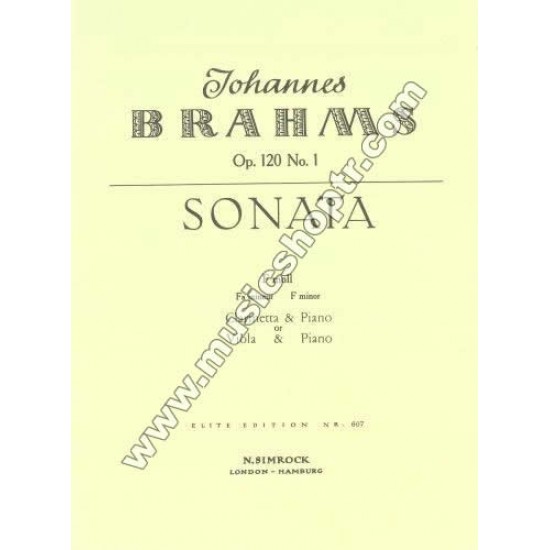
Tüm siparişler en geç 3 iş günü içerisinde kargoya teslim edilir.
Siparişinizi resimli bir kimlik ibraz ederek, imza karşılığı kargo görevlisinden teslim alabilirsiniz. Teslimat anında belirttiğiniz adreste siz yoksanız, siparişiniz teslimat adresinde bulunan kişi/kişilere, resimli kimliği kontrol edilip imzası alındıktan sonra teslim edilmektedir.
Grev, lokavt, tabii afetler, ayaklanma, halk hareketleri, nükleer risk ve tehlike, savaş, istila, ihtilal, iç savaş, sabotaj ve yangın halleri gibi olağanüstü durumlarda ve alıcıdan kaynaklanan (adreste bulunmama, teslim alacak yetkilinin olmaması, alıcının adresten taşınmış olması, vb.) durumlarda teslimat süresi ve koşulları değişkenlik gösterebilir.
Siparişiniz onaylandıktan sonra 3 ile 7 iş günü arasında adrese teslim edilir.
www.musicshoptr.com, tüketici haklarını korumakta ve satış sonrası müşteri memnuniyetini en ön planda tutmaktadır.
Romantik Dönem
1800 ve 1850 yıllar arasında Avrupa' da edebiyatı, müziği, felsefeyi ve sanatı etkileyen entelektüel bir akımdı. Bir ölçüde Sanayi Devrimine, Aydınlanma Çağına
aristokratik sosyal ve siyasi düzenine, doğanın bilimsel
rasyonalizasyonuna ve Klasisizme tepki olarak doğan, doğaya ve duygulara
verdiği önemle bilinen bir akımdır. Ortaya çıkışında ise 1789 Fransız İhtilali sonrasındaki toplumsal, siyasal ve düşünsel yapının etkileri vardır.
Kaynak : Wikipedia
- Stok: Stokta Var
- Model: EE 607
- Ağırlık: 0.20kg
- Basım Yeri: Almanya
- ISBN: 9790221103192


Johannes Brahms
His significant output comprises chamber music, piano works, numerous choral compositions and songs (including settings of folk-song lyrics), as well as large-scale orchestral works in the 1870s and 1880s. His compositions are characterized by the process of developing variation. He is considered an antithesis to the New German School around Liszt, and an advocate of “absolute” music.
1833 Born in Hamburg on May 7, the son of a musician. His first piano instruction with Willibald Cossel at age seven, then with Eduard Marxen; first public performances from 1843. 1853 Concert tour through German cities; he meets Schumann, who announces him as the next great composer in his essay “Neue Bahnen” (“New Paths”). A lifelong, intimate friendship develops with Clara Schumann. 1854–57 Piano Concerto No. 1 in D minor, Op. 15. 1857–59 Choir director, pianist, and teacher at the royal court in Detmold. 1859–61 Director of the Hamburg Women’s Choir. 1860 Manifesto against the New Germans around Liszt. 1863 Cantata “Rinaldo,” Op. 50. 1863–64 Director of the Wiener Singakademie. 1868 Partial performance in Vienna of “A German Requiem,” Op. 45 (the complete work premiered in Leipzig in 1869) 1871–74 Artistic director of the Gesellschaft der Musikfreunde (Society of Friends of Music) in Vienna. 1873 Haydn Variations, Op. 56a, for orchestra. from 1877 His symphonic output begins with the Symphony No. 1 in C minor, Op. 68 (begun 1862); composition of the Symphony No. 2 in D major, Op. 73; the Symphony No. 3 in F major, Op. 90 (1883); and Symphony No. 4 in E minor, Op. 98 (1884–85): cantabile themes, chamber-music-like style. from 1878 Travels in Italy. 1878 Violin Concerto in D major, Op. 77, for Joseph Joachim. 1881 Piano Concerto No. 2 in B-flat major, Op. 83, with a scherzo movement. 1886 Honorary president of Vienna’s Tonkünstlerverein (Association of Musicians). 1897 Four Serious Songs, Op. 121. Dies in Vienna on April 3.
© 2003, 2010 Philipp Reclam jun. GmbH & Co. KG, Stuttgart
His significant output comprises chamber music, piano works, numerous choral compositions and songs (including settings of folk-song lyrics), as well as large-scale orchestral works in the 1870s and 1880s. His compositions are characterized by the process of developing variation. He is considered an antithesis to the New German School around Liszt, and an advocate of “absolute” music.
| 1833 | Born in Hamburg on May 7, the son of a musician. His first piano instruction with Willibald Cossel at age seven, then with Eduard Marxen; first public performances from 1843. |
| 1853 | Concert tour through German cities; he meets Schumann, who announces him as the next great composer in his essay “Neue Bahnen” (“New Paths”). A lifelong, intimate friendship develops with Clara Schumann. |
| 1854–57 | Piano Concerto No. 1 in D minor, Op. 15. |
| 1857–59 | Choir director, pianist, and teacher at the royal court in Detmold. |
| 1859–61 | Director of the Hamburg Women’s Choir. |
| 1860 | Manifesto against the New Germans around Liszt. |
| 1863 | Cantata “Rinaldo,” Op. 50. |
| 1863–64 | Director of the Wiener Singakademie. |
| 1868 | Partial performance in Vienna of “A German Requiem,” Op. 45 (the complete work premiered in Leipzig in 1869) |
| 1871–74 | Artistic director of the Gesellschaft der Musikfreunde (Society of Friends of Music) in Vienna. |
| 1873 | Haydn Variations, Op. 56a, for orchestra. |
| from 1877 | His symphonic output begins with the Symphony No. 1 in C minor, Op. 68 (begun 1862); composition of the Symphony No. 2 in D major, Op. 73; the Symphony No. 3 in F major, Op. 90 (1883); and Symphony No. 4 in E minor, Op. 98 (1884–85): cantabile themes, chamber-music-like style. |
| from 1878 | Travels in Italy. |
| 1878 | Violin Concerto in D major, Op. 77, for Joseph Joachim. |
| 1881 | Piano Concerto No. 2 in B-flat major, Op. 83, with a scherzo movement. |
| 1886 | Honorary president of Vienna’s Tonkünstlerverein (Association of Musicians). |
| 1897 | Four Serious Songs, Op. 121. Dies in Vienna on April 3. |
© 2003, 2010 Philipp Reclam jun. GmbH & Co. KG, Stuttgart
Václav Jan Tomášek
Geç Klasik dönem Bohemyalı besteci, piyanist ve öğretmen. Geniş eser yelpazesi içinde özellikle çok sayıda şarkı bestesi dikkat çekicidir. Ayrıca piyano eserleri, ayinler, koro ve orkestra eserleri, sahne eserleri ve oda müziği de yazmıştır. Viyana ve Lviv gibi birçok müzik derneğinin onursal üyesiydi.
1774 17 Nisan'da Skuteč'te doğdu.
1783–85 Chrudim'de Pavel Josef Wolf'tan vokal ve keman dersleri aldı.
1787–90 Jihlava'daki Minorit manastırında vokalist olarak çalıştı.
1790'dan itibaren Prag'da ortaokula devam etti.
1795 civarında piyanist olarak elde ettiği başarılar onu soylular arasında popüler bir piyano öğretmeni yaptı.
1797 Prag'daki Charles Üniversitesi'nde kapsamlı bir eğitim programına başladı (felsefe, matematik, tarih, anatomi dahil). Kendi kendine çalışarak piyano çalma ve müzik teorisi becerilerini geliştirir.
1805 yılında "Lenore" baladı (op. 12) ilk zaferini elde eder.
1806'dan itibaren Kont Jiří Buquoy'un müzik hizmetine girerek ömür boyu maddi güvenceye kavuşur. Haydn, Beethoven ve Goethe gibi isimlerle tanışır.
1811 yılında Charles Üniversitesi ona Beşeri Bilimler Yüksek Lisansı unvanını verir.
1824'ten itibaren, aktif kültürel alışverişin buluşma yeri ve mekanı olan dairesinde kendi eserlerinin performanslarını sahneler.
1836'dan itibaren kamusal hayattan giderek uzaklaşır.
1850 yılında 3 Nisan'da Prag'da ölür.